Liberia Moves to Strengthen Intellectual Property System as President Boakai Submits Eight International Treaties for Ratification
March 8, 2026
By: Feeme M. Wantee
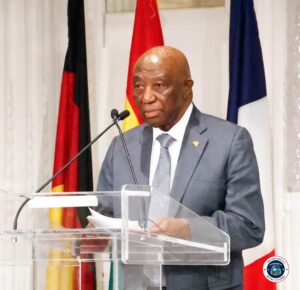
MONROVIA: The Director General of the Liberia Intellectual Property Office (LIPO), Garmai Koboi, has disclosed that the administration of Joseph Nyumah Boakai has taken a significant step toward strengthening Liberia’s intellectual property (IP) system by submitting eight international IP treaties and protocols to the Liberian Legislature for ratification.
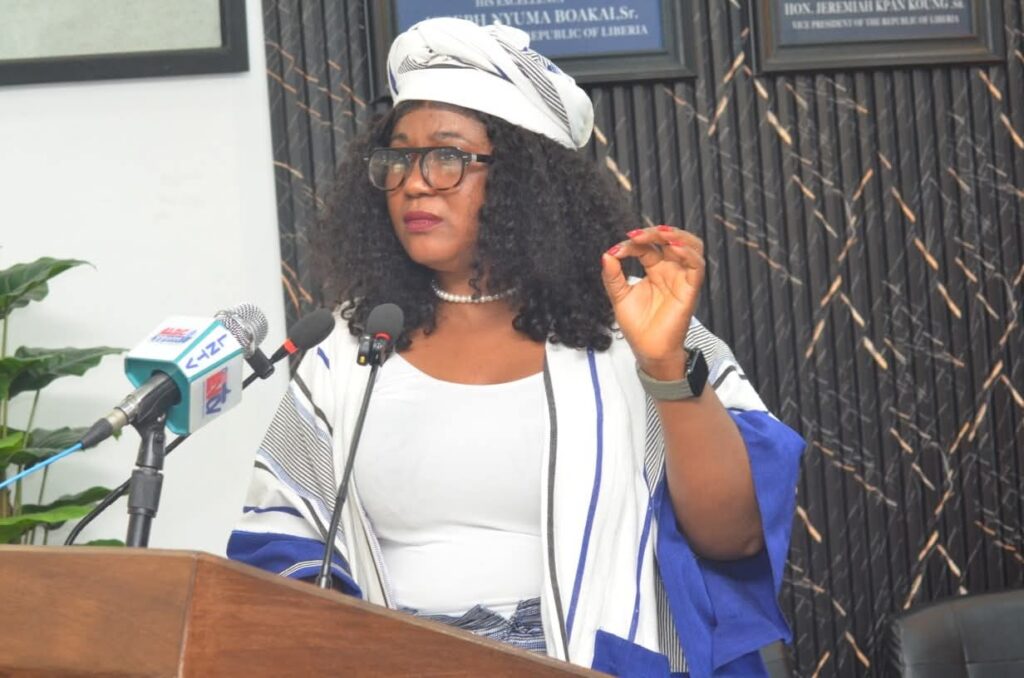
Speaking during a regular press briefing at the Ministry of Information, Koboi explained that the submission was formally read during the 15th Day Sitting of the First Quarter of the Third Session of the Legislature. The House of Representatives of Liberia has since forwarded the instruments to its relevant committees for review and recommendation.
According to Koboi, the President’s action fulfills commitments made both to international partners and to the Liberian people under the government’s development agenda. Major Step for Intellectual Property Governance Koboi said the decision follows a pledge made by President Boakai during a meeting with the leadership of the African Regional Intellectual Property Organization (ARIPO) last October, when he assured officials that his administration would ratify all outstanding intellectual property treaties without delay.
She also noted that the move aligns with Pillar One of the ARREST Agenda for Inclusive Development, particularly Program 7 under the Business Enabling Environment initiative, which prioritizes the development of a strong national intellectual property ecosystem.
“This action represents one of the most consequential steps ever taken in the history of intellectual property governance in Liberia,” Koboi said.
The domestication of these treaties will reshape Liberia’s IP ecosystem and provide stronger legal protections for creators, innovators, and entrepreneurs.” Benefits for Creators, Farmers, and Communities.
Among the instruments submitted are the WIPO Copyright Treaty and the WIPO Performances and Phonograms Treaty, which are expected to grant Liberian artists, musicians, and content creators enforceable rights over their works on digital platforms such as streaming services and online distribution channels.
Koboi explained that Liberia’s accession to these treaties will enable creators to better protect and monetize their works internationally, particularly as digital platforms become the primary channel for distributing creative content.
In addition, the UNESCO Convention for the Safeguarding of Intangible Cultural Heritage and the UNESCO Convention on the Protection and Promotion of the Diversity of Cultural Expressions will help protect Liberia’s oral traditions, performing arts, and cultural practices from unauthorized exploitation.
“These instruments ensure that Liberia’s cultural heritage remains under the control of the communities that created and preserved it,” Koboi noted. The Director General also highlighted the benefits the treaties will bring to Liberia’s agricultural sector.Under frameworks such as the Arusha Protocol for the Protection of New Varieties of Plants and membership in the International Union for the Protection of New Varieties of Plants (UPOV), Liberian farmers and plant breeders will be able to secure legal protection for newly developed crop varieties.
According to Koboi, this will encourage agricultural innovation, attract investment into Liberia’s farming sector, and allow the country to participate more effectively in the regional seed market. Meanwhile, the WIPO Treaty on Genetic Resources and Associated Traditional Knowledge will ensure that Liberia’s biodiversity and indigenous knowledge are protected when accessed by foreign researchers or companies.
“This treaty allows Liberia to assert sovereignty over its genetic resources and traditional knowledge,” she said, adding that it ensures communities benefit when their resources are used for commercial or scientific purposes. Capacity Building for Stakeholders Koboi also announced that the Liberia Intellectual Property Office recently concluded a three-day intensive training workshop aimed at strengthening stakeholders’ understanding of intellectual property rights.
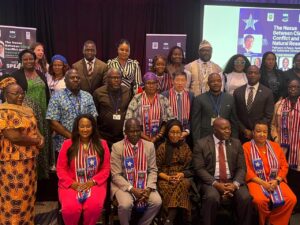
The workshop, held from February 18 to 20, brought together more than 180 participants from the creative industries, business sector, and government institutions. Organized by LIPO in collaboration with the Liberia Chamber of Commerce, the Fulah Business Association, and the Manufacturers Union of Liberia, the training focused on registration procedures, enforcement mechanisms, and commercialization pathways for intellectual property assets.
Under the theme “Understanding Intellectual Property Rights: Registration, Enforcement, and Commercialization,” participants received practical guidance on how to protect and monetize creative and innovative works. Koboi said the training is part of an ongoing national capacity-building initiative designed to improve awareness of IP rights and strengthen Liberia’s intellectual property administration system. Driving Economic Growth Through Innovation.
According to the LIPO Director General, the training workshop has already helped improve understanding of intellectual property rights among participants, enhanced knowledge of registration procedures, and clarified available legal remedies for protecting creative works.
She noted that despite the rapid growth of creative output and entrepreneurial activity in Liberia in recent years, many stakeholders still lack adequate knowledge of how to secure legal protection for their intellectual assets.
“The government’s actions from treaty ratification to stakeholder training demonstrate a clear commitment to building a functional intellectual property ecosystem capable of driving socioeconomic development,” Koboi said.
She added that strengthening Liberia’s IP framework will help promote innovation, protect cultural heritage, encourage investment, and support the growth of the country’s creative and business sectors.
About The Author