National Water, Sanitation and Hygiene Commission Urges Citizens to Stop Open Defecation to Protect Water Sources
February 12, 2026
By Feeme M. Wantee
Monrovia: The National Water, Sanitation and Hygiene Commission has called on citizens across Liberia to stop indiscriminate disposal of human feces, warning that the practice poses serious risks to public health and the country’s water supply systems.
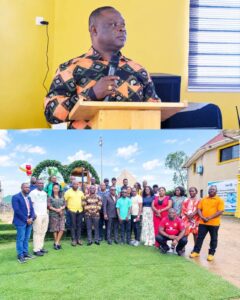
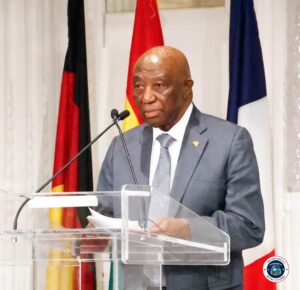
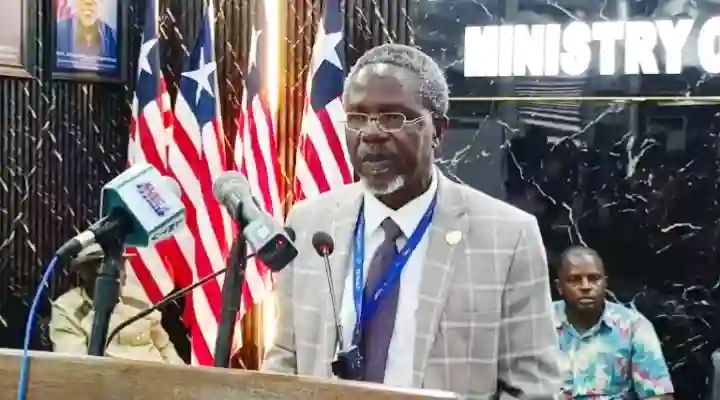
Speaking at the Ministry of Information regular press briefing recently, the Chief Executive Officer of NWASHC, George W. K. Yango, stressed that open defecation, particularly around water catchment areas, is a major threat to safe drinking water and overall sanitation.
According to Mr. Yango, the Commission is making concerted efforts to strengthen hygiene standards nationwide, noting that fecal contamination should not be tolerated in communities or near water sources intended for human consumption.
“As part of our efforts to improve sanitation and hygiene in the country, we have sent six of our staff abroad for advanced studies to help strengthen and improve the capacity of the institution,” he disclosed.
The NWASHC CEO further revealed that the Commission is seeking stronger collaboration with non-governmental organizations (NGOs) to support ongoing water, sanitation, and hygiene initiatives across the country, “We are also looking forward to partnerships with many NGOs to assist us in this process,” he added.
Hon. Yango noted that although NWASHC is mandated to operate nationwide, the Commission currently has offices only in Montserrado and Grand Bassa Counties, a situation he described as one of the institution’s major challenges.
He expressed optimism that despite these constraints, the Commission remains committed to implementing its water, sanitation, and hygiene projects this year. “We hope to effectively manage and advance our water, sanitation, and hygiene projects this year despite the challenges we are facing,” he said.
Additionally, the NWASHC CEO disclosed that climate change is increasingly affecting Liberia’s water systems, compounding existing challenges such as limited funding, staff shortages, and difficulties expanding operations to other counties.
Mr. Yango concluded by reaffirming the Commission’s commitment to safeguarding public health through improved sanitation practices and called on all citizens to play their part in protecting Liberia’s water resources.
About The Author