Hope for Students? UL President Reassures Faculty, Vows to Make University a Better Workplace
By Lazota Bility
MONROVIA, Liberia — University of Liberia President Dr. Layli Maparyan has reassured faculty and staff of her administration’s commitment to addressing long-standing concerns over salaries, benefits, and working conditions, as fears grow that an ongoing dispute could disrupt academic activities for thousands of students.
Dr. Maparyan said her administration is working with the University of Liberia Board of Trustees, officials of the Government of Liberia, faculty, and staff to address concerns raised by the University of Liberia Faculty Association (ULFA) and the University of Liberia Staff Association (ULSA).
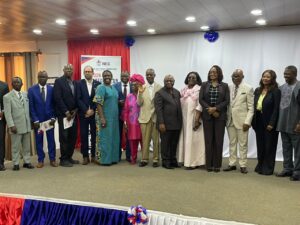
She made the statement on Tuesday, July 21, 2026, following emergency Cabinet and Board meetings held on Capitol Hill to discuss resolutions adopted by the two associations.
According to the University President, additional meetings are expected as discussions continue.
“More meetings are to come. While we have been working diligently to resolve many of the challenges outlined, and while some progress has been made, we recognize that much more remains to be done and that our efforts have not yet met the expectations of our colleagues,” Dr. Maparyan said.
“As UL President, I assure UL’s faculty and staff of my commitment to achieve results that feel like progress and make UL a better workplace,” she added.
Dr. Maparyan, however, cautioned that any disengagement from academic and administrative activities would not be in the best interest of students, faculty, staff, or the country.
“The University of Liberia is a beacon of hope for thousands of young people, and we cannot allow disruption to undermine our educational mission,” she said.
She also called on faculty and staff to continue engaging the University Administration, the Board of Trustees, and the Government of Liberia through constructive dialogue.
“We must solve these challenges together. Through dialogue and concerted action, we can find lasting solutions that strengthen the university for generations to come,” Dr. Maparyan said.
The President’s remarks come four days after ULFA announced a vote of no confidence in her leadership and declared an indefinite disengagement from all academic and administrative activities until its demands are addressed.
The faculty association is demanding, among other things, access to benefits under the National Social Security and Welfare Corporation (NASSCORP), a 40 percent salary increment for faculty members, salary adjustments, and improvements in other welfare-related concerns.
The dispute has raised fresh concerns among students, many of whom fear that the faculty action could once again interrupt academic activities at the country’s premier public university.
The University of Liberia has faced recurring disputes over faculty salaries, benefits, and working conditions for nearly two decades. Similar concerns have been raised under previous administrations led by Dr. Al-Hassan Conteh, Dr. Emmet A. Dennis, Dr. Ophelia Inez Weeks, Rev. Dr. Julius Julukon Sarwolo Nelson Jr., and now Dr. Layli Maparyan.
Following the announcement by ULFA, students took to social media to express frustration and concern over the possibility of another disruption to their education.
Hawa M. Siryon, a senior student of the University of Liberia, defended President Maparyan’s leadership in a social media post, saying the current administration had provided a relatively peaceful learning environment.
“I am poised enough to say, since I enrolled at the University of Liberia, there has not been a more peaceful learning atmosphere than under the leadership of Dr. Layli Maparyan,” Siryon wrote.
She argued that salary and welfare concerns should be addressed through other means rather than demanding the resignation of the University President.
Other students and members of the public have also expressed mixed reactions, with some supporting the faculty’s demands for improved welfare and working conditions, while others fear that an indefinite disengagement could further delay their academic progress.
For many students, the ongoing dispute has placed the University of Liberia at a critical crossroads—between the faculty’s demand for improved working conditions and the urgent need to protect the academic future of thousands of students.
About The Author