Disability Has Not Stopped Felecia Zokpo from Providing for Her Four Children.
November 3, 2026
By Lazota Bility
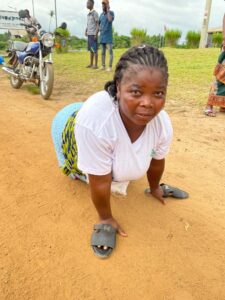
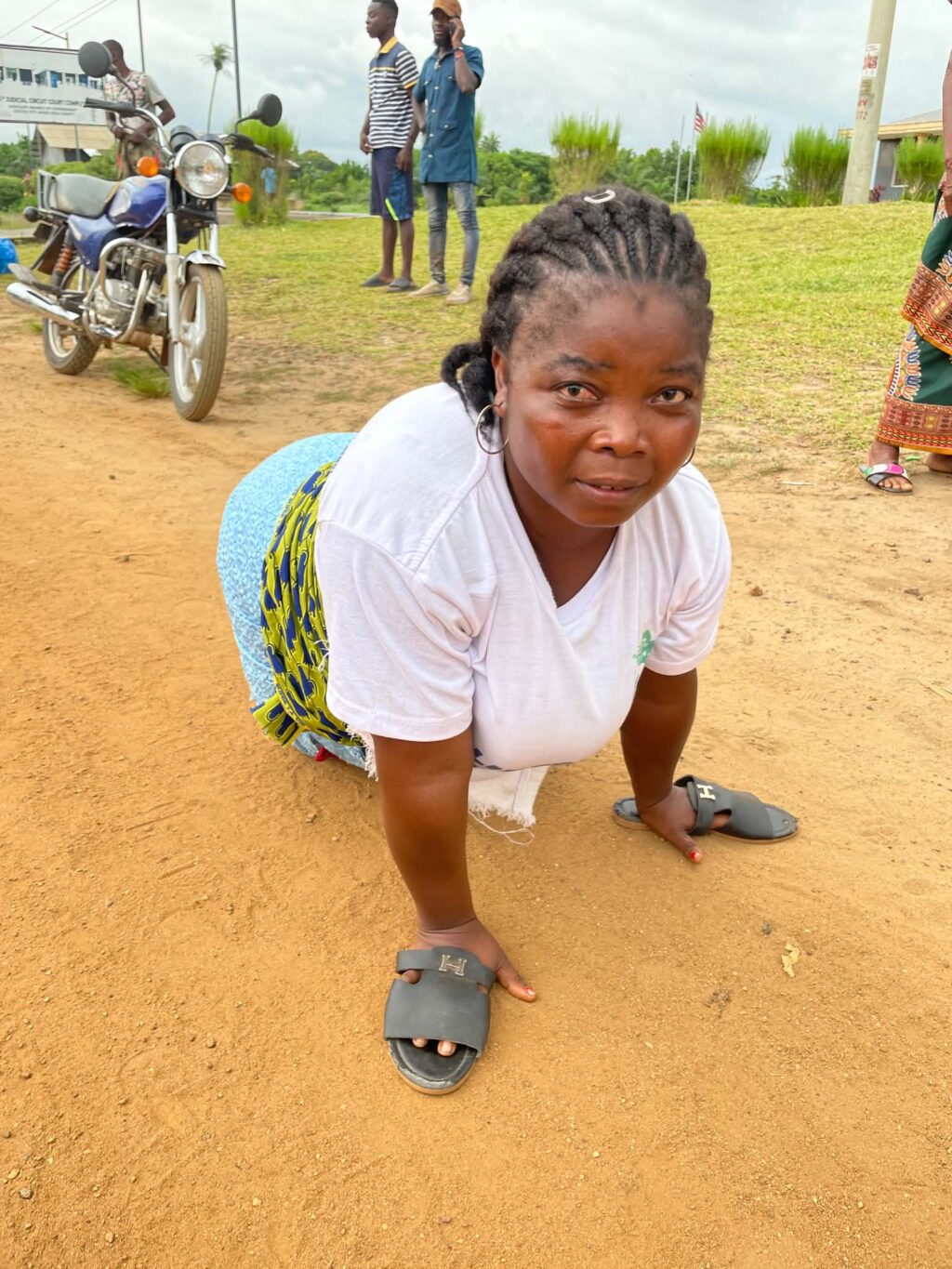
Despite living with a disability, Felecia Zokpo, a single mother of four, continues to work hard to provide for her children through her rice-selling business, which she says has improved with support from the Liberia Women Empowerment Project (LWEP).
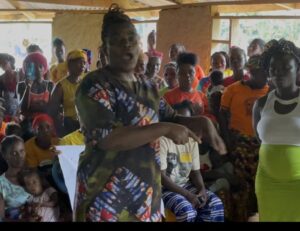
As other beneficiaries gathered in Cestos City singing in their local dialect and celebrating their achievements under the project, Felecia was among those dancing and sharing in the moment.
For Felecia, her condition has not stopped her from making a living and taking responsibility for her children’s needs.
She said the financial support she received through the LWEP has helped improve her rice business, giving her a better opportunity to care for her four children.
Beyond the challenges of providing for her family, Felecia also spoke about the difficulties she faces in her personal life.
She said her disability has made it difficult for her to find a partner, leaving her to raise her children alone.
“I am a single mother, no man wants me because I am sick, so I am alone and focusing on my life and my children,” she said.
Despite this experience, Felecia remains focused on her business and her responsibility as a mother.
She also expressed appreciation to the Government of Liberia and the World Bank for supporting women through the empowerment initiative, saying the assistance has made a difference in her livelihood.
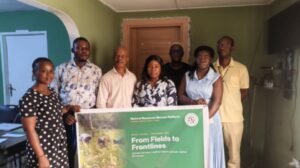
Felecia shared her experience on Monday, November 2, 2026, during a multi-county tour by the Ministry of Gender, Children and Social Protection aimed at strengthening local structures, improving project implementation and enhancing service delivery across Liberia.
The tour focuses on key interventions, including the Liberia Women Empowerment Project (LWEP), the Recovery of Economic Activities for Liberian Informal Sector Employment (REALISE) Project and the Spotlight Initiative 2.0.
The Ministry said the tour is intended to ensure that county offices are adequately equipped to carry out their responsibilities.
It will also assess project implementation, identify challenges and areas requiring improvement, and examine results achieved at the output level.
The assessment will further examine livelihood activities, the impact of grants on beneficiaries, improvements in household incomes and the sustainability of interventions under the various programs.
About The Author