ECOWAS Trains Liberian Journalists to Strengthen Information Integrity and Combat Disinformation Across West Africa
November 25, 2025
By: Femee Wantee
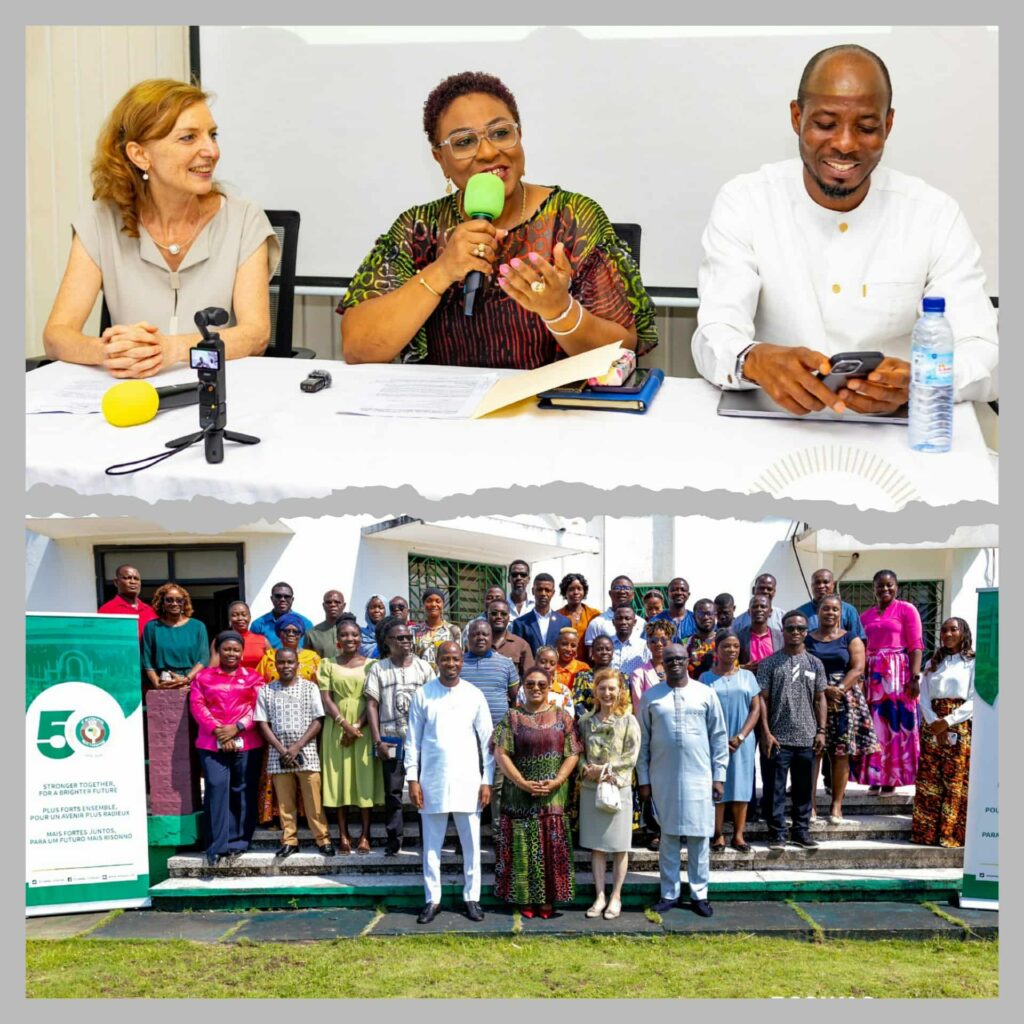
Monrovia: The Economic Community of West African States (ECOWAS), through its Directorate of Communication, has launched a two-day intensive training in Monrovia aimed at equipping Liberian journalists with the skills and tools needed to fight the rapid spread of misinformation and disinformation across the sub region.
The training, held from 24–25 November 2025, brings together journalists, editors, broadcasters, online content creators, and civil society communicators to explore innovative ways of preserving information integrity in the digital age. West Africa has in recent years witnessed a surge in information-related threats fueled by political instability, violent extremism, electoral tensions, economic uncertainties, and the increasing misuse of digital platforms.
Recognizing the magnitude of these challenges, ECOWAS is investing in building a more resilient media landscape, beginning with capacity-building initiatives across its member states. The Liberia training forms part of a broader regional framework to strengthen democratic governance, promote peace, and safeguard citizens’ access to credible, fact-based information.
Organized in partnership with the Media Foundation for West Africa (MFWA), Code for Africa, and supported by the Government of Germany, the program covers a wide range of topics including: Media and information literacy Conflict-sensitive and peace-oriented reporting Verification and fact-checking techniques Understanding digital threats and online manipulation Ethical standards in journalism
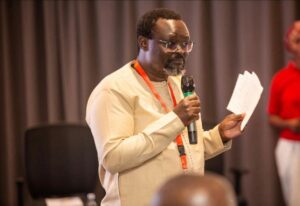
The role of media in democratic consolidation and social cohesion Experts from across Africa are facilitating the sessions, offering both theoretical and practical demonstrations on how false information is produced, how it spreads, and how journalists can effectively counter harmful narratives without compromising professional standards.
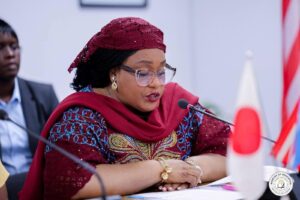
Delivering a goodwill statement, Ms. Daniella Weber, Chancellor and Deputy to the Ambassador of Germany in Liberia, emphasized her country’s commitment to empowering media systems in West Africa. She described misinformation as one of the fastest-growing threats to global democracy and peace, stressing that Germany’s partnership with ECOWAS through GIZ is designed to strengthen institutional communication, technical capacity, and systems that protect public access to truthful information. “Germany is proud to stand with ECOWAS in building strong communication institutions and supporting those who safeguard factual and trustworthy information,” she said. Representing the ECOWAS Commission President, H.E. Dr. Omar Alieu Touray, the ECOWAS Resident Representative in Liberia, H.E. Ambassador Josephine Nkrumah, formally opened the training and highlighted its critical importance to regional stability.
She noted that misinformation has played a central role in fueling conflict, deepening divisions, and undermining public confidence in governance and security institutions, especially in countries experiencing political transitions or insecurity.
“The media remains one of our strongest allies in building a peaceful and well-informed West Africa. Journalists help shape public understanding, and equipping them with the right skills is essential for protecting our societies against harmful and deceptive narratives,” Ambassador Nkrumah noted.
She added that ECOWAS is increasingly concerned about the role of coordinated disinformation campaigns in destabilizing communities, spreading hate speech, influencing elections, and amplifying extremist propaganda.
Strengthening the capacity of journalists, she said, is a strategic response to these growing threats and an investment in the long-term stability of the region. Participants at the training expressed appreciation for the initiative, noting that misinformation has become one of the most difficult challenges for today’s media practitioners.
Many journalists admitted that without proper fact-checking tools and digital literacy training, media institutions risk becoming conduits for falsehoods—intentionally or unintentionally. The trainers therefore introduced participants to advanced verification platforms, open-source intelligence techniques, and approaches to responsible reporting during national crises or elections.
The workshop also highlighted the need for collaboration among newsrooms, civil society organizations, fact-checking networks, and regional institutions. Facilitators encouraged journalists to build cross-border information partnerships, especially as many disinformation trends now originate from online spaces that transcend national boundaries.
The participants were also reminded that journalists play a vital role in promoting national unity, investigating harmful narratives, and ensuring that citizens receive timely, accurate, and contextualized.