UNFPA Calls for Urgent Maternal Response as Liberia Marks World Postpartum Hemorrhage Day
MONROVIA, Oct. 5, 2026 – The United Nations Population Fund (UNFPA) has called for sustained investment and a supportive health system to stop women from bleeding to death after childbirth, as Liberia’s Ministry of Health observed World Postpartum Hemorrhage (PPH) Day today.
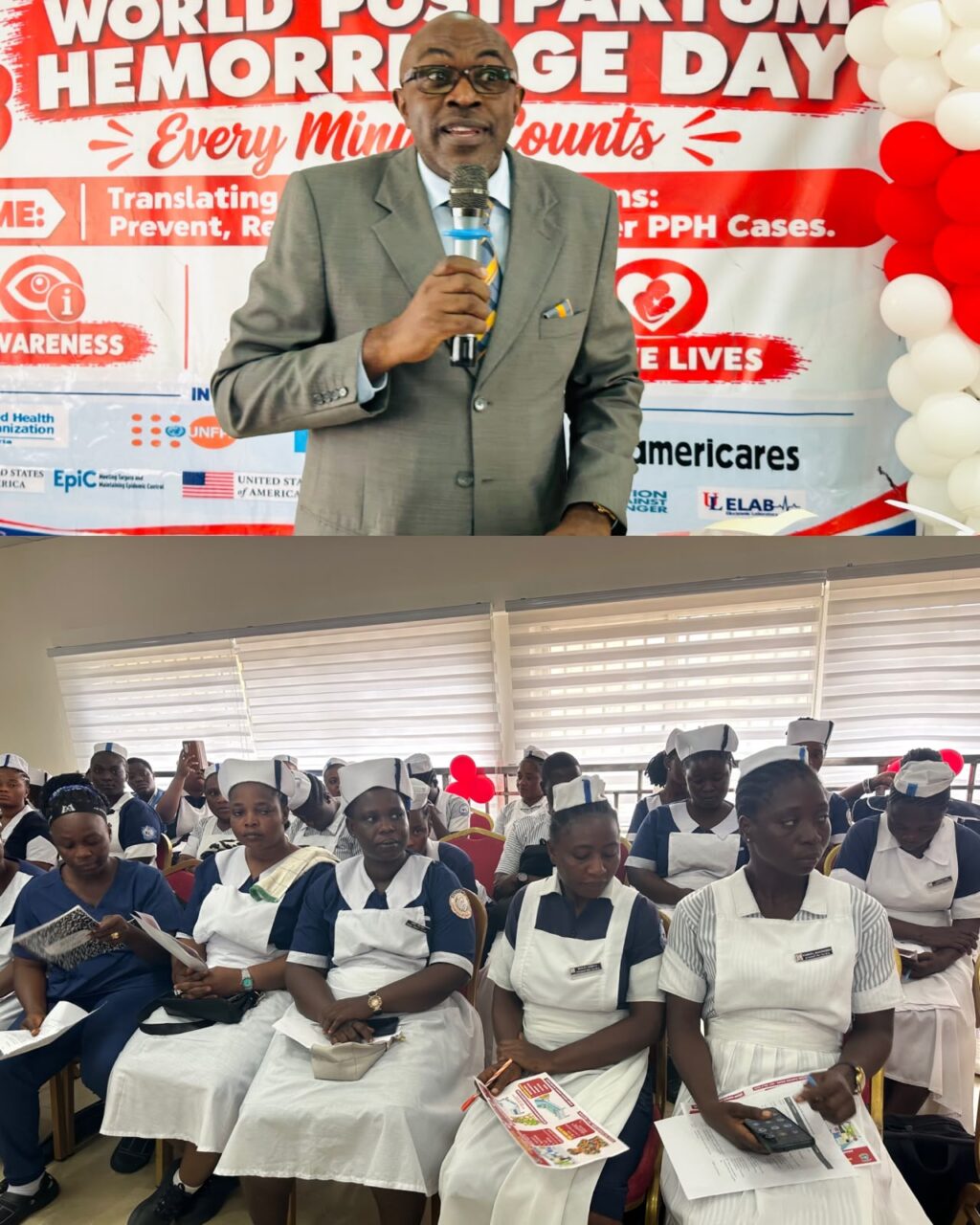
Delivering the keynote address, UNFPA Deputy Country Representative Leonard Kamugisha said no woman should die because she bleeds after giving birth. He described PPH as a clinical emergency and also an issue of equity, access, health-system readiness and women’s rights.
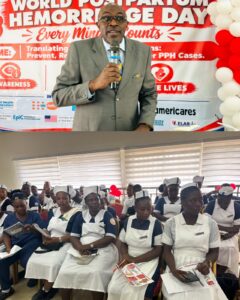
The event was attended by medical students, nurses, midwives, health officials and development partners.
Leading cause of maternal death
Mr. Kamugisha said PPH is the leading preventable cause of maternal death worldwide, killing nearly 45,000 women a year, over 90 percent of them in low- and middle-income countries. In Liberia, it accounts for between 34 and 46 percent of reported maternal deaths. He added that about 80 percent of PPH cases can be effectively managed.
He told the story of “Fatu,” a young mother who began bleeding heavily after delivery. She survived because health workers recognized the emergency early, the right medicines were available and blood was found in time. “PPH may be unpredictable, but death from PPH does not have to be inevitable,” he said.
Progress and recommendations
Mr. Kamugisha praised the Ministry of Health, led by Minister Dr. Louise M. Kpoto, for its progress. He cited the revised National PPH Protocol, aligned with WHO guidelines, and the rollout of the E-MOTIVE bundle of care in nine counties. He also pointed to locally modeled calibrated drapes for measuring blood loss and the integration of lifesaving drugs into the supply chain.
He warned that falling facility deaths must be read with caution, because community deaths may be rising. He said fear of blame could push some health workers to refer patients unnecessarily instead of managing stable cases. He recommended:
He also urged donors, agencies and the private sector to help fill funding gaps, calling for predictable financing for commodities, safe blood banking and facility infrastructure. He said the commemoration, which opens the Ministry’s PPH Action Week (Oct. 5–9), should lead to readiness assessments, simulation drills and clinical mentorship in every county.
“Work on your attitude”
Speaking at the event, Dr. Teyah S. Moore, Deputy Chief Medical Officer for Curative Services at the Ministry of Health, backed the call for stronger systems with a direct message to frontline workers about their conduct.
“Work on your attitude, understand your patients and save more lives,” Dr. Moore told the gathering. “Don’t be the nurses that play on their phones while at work. We need to work on health workers’ attitude.”
His remarks underscored Mr. Kamugisha’s point that saving mothers depends on skilled, alert and committed health workers as well as drugs and equipment.
Promise to mothers
Mr. Kamugisha closed by leading participants in a pledge that every pregnant woman in Liberia will find someone prepared to save her life where she gives birth. He said UNFPA would keep supporting the procurement of maternal medicines, midwife training, emergency obstetric care and death surveillance systems.
“Every minute counts,” he said. “No mother should lose her life while giving life.”
About The Author