FeJAL President Pushes for Media Fund in National Budget, Tells President Boakai to “Count” Women Back Into Cabinet
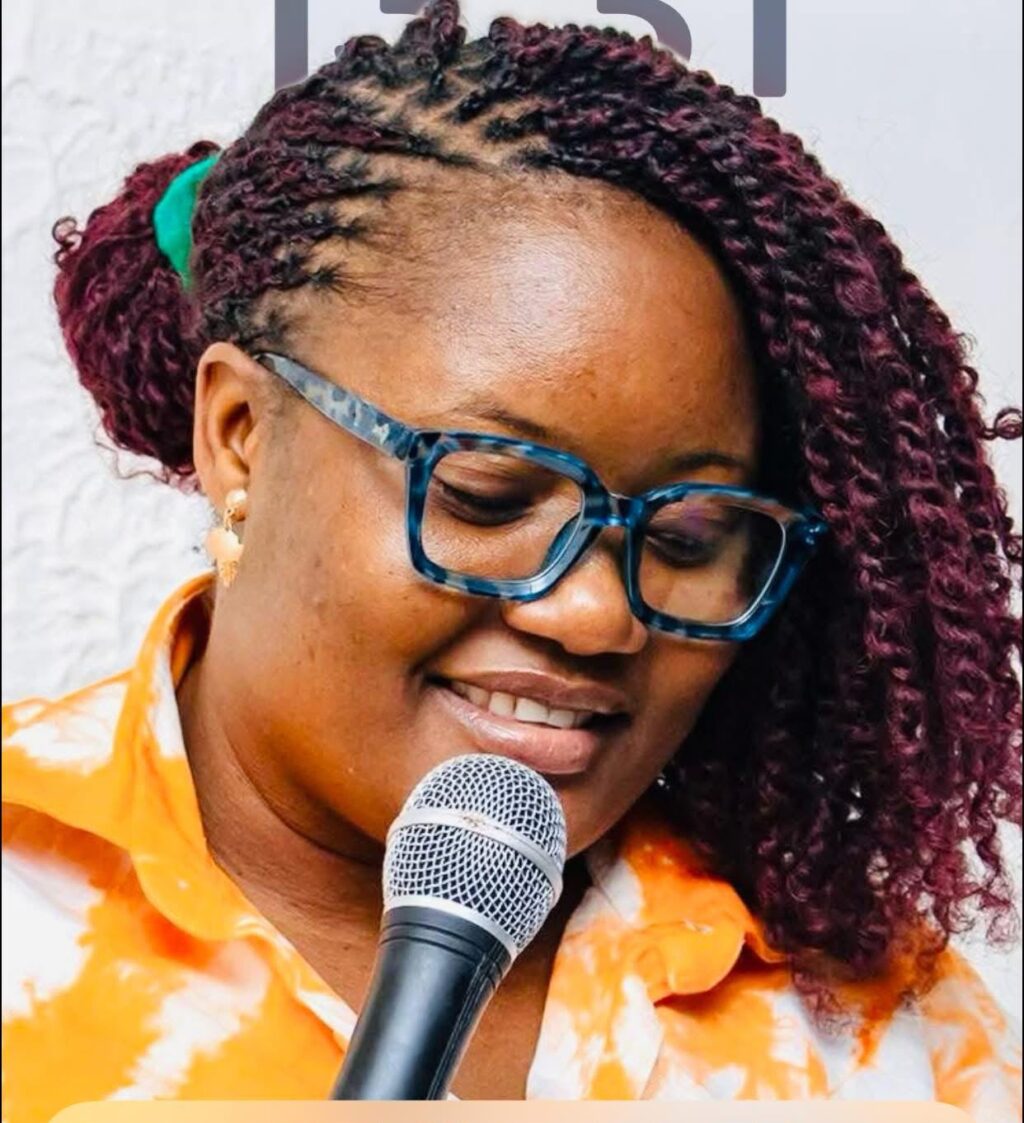
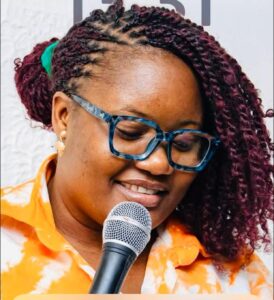
The President of the Female Journalists Association of Liberia (FeJAL), Madam Lisa Tenneh Diasay, has called on the Boakai administration to place the establishment of an independent Public Interest Journalism Fund on the national budget agenda, warning that Liberia’s media sector cannot remain sustainable on dwindling donor support alone.
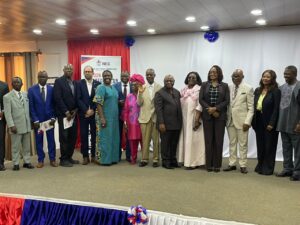
Madam Diasay made the recommendation September 12,2026 in Monrovia at the second Presidential Media Dinner, an event organized to bring together media executives, women journalists and government officials with President Joseph Nyuma Boakai.
Addressing the President directly, Madam Diasay said the fund must be independent, transparently managed, and protected from political interference if it is to help build what she called “a strong media ecosystem to support growth and development in Liberia.”
“With the shrinking donor support declining, government and the media sector should begin discussions on establishing an independent, transparently managed fund to support public-interest journalism,” she told the gathering, which included Information Minister Jerolinmik Matthew Piah and Presidential Press Secretary Atty. Kula B. Fofana.
Beyond the funding appeal, the FeJAL President used her remarks to press the government on two other fronts tied to the same theme of “inclusive development” — the language embedded in President Boakai’s own ARREST Agenda for Inclusive Development.
She noted that as of early September, nine of the President’s 19 Cabinet ministers were women, the highest number in the country’s history, a milestone the women of the Liberian press had celebrated. But she said that number fell to seven on Friday, following the departures of Madam George from the Ministry of National Defense and Madam Dagoseh from the Ministry of Commerce.
While acknowledging the President’s authority to reorganize his government and that both officials are expected to be reassigned, Madam Diasay urged that they be placed in positions “where their competence still shapes policy,” and that future Cabinet shortlists include women from the outset rather than as later additions.
“When a woman leaves that table, a girl in Grand Bassa loses a picture of what she is permitted to become,” she said.
Madam Diasay also raised the underrepresentation of women in the press corps that covers the presidency, saying women journalists are present in the profession but largely absent from briefings and high-level interviews. She said including more women in those spaces would surface a different range of questions — on markets, clinics and classrooms — that government needs to answer publicly.
On press access outside the capital, she called for government to remove duties on broadcast and internet equipment and to improve connectivity for county bureaus, arguing that the high cost of keeping reporters stationed in areas like Barclayville for extended periods is why government programs are often reported from Monrovia rather than from the counties where they are implemented.
“Inclusive development that nobody can verify is only an announcement,” Madam Diasay said. “Give us the count and give us the reach, and we will report the rest.”
She closed her remarks by thanking the organizers of the dinner and said the media sector looks forward to concrete action from government on the recommendations raised.
President Boakai had not responded to the specific proposals as of press time.
About The Author