“Our Cries Were Heard”: Liberian Students React to Reopening of Embassy in India
By: Laymah Kollie
NEW DELHI, India, August 17,2026 — For years, Liberian students studying in India have called for their government to restore a diplomatic presence in the South Asian country, saying the absence of an embassy left many of them without a direct channel to seek assistance and representation.
Now, after more than three decades, those calls have been answered.
The reopening of Liberia’s Embassy in New Delhi has been welcomed by former leaders of the Association of Liberian Students in India (ALSI), who say the development represents the culmination of years of advocacy by generations of Liberian students.
Korn Manipalie Kumahn, a former President of ALSI, described the reopening as a historic achievement and credited successive student leaderships for keeping the issue alive.
“After 35 years, Liberia has reopened its Embassy in India,” Kumahn said, expressing pride in the role he and other student leaders played in advocating for the diplomatic mission.
He said the development demonstrates that the concerns raised by Liberian students over the years did not go unheard.
“At least, our cries were heard, and our notes were read,” he said.
Kumahn, however, cautioned Liberian students against assuming that the reopening of the embassy would immediately resolve all of the challenges they face in India.
He reminded students that the diplomatic mission would not pay their tuition or rent, eliminate discrimination, or automatically resolve disputes they may encounter with members of the local community.
Instead, he urged Liberian students to remain focused on their education, maintain peaceful relations with their fellow Africans and Indian communities, and avoid unnecessary confrontations.
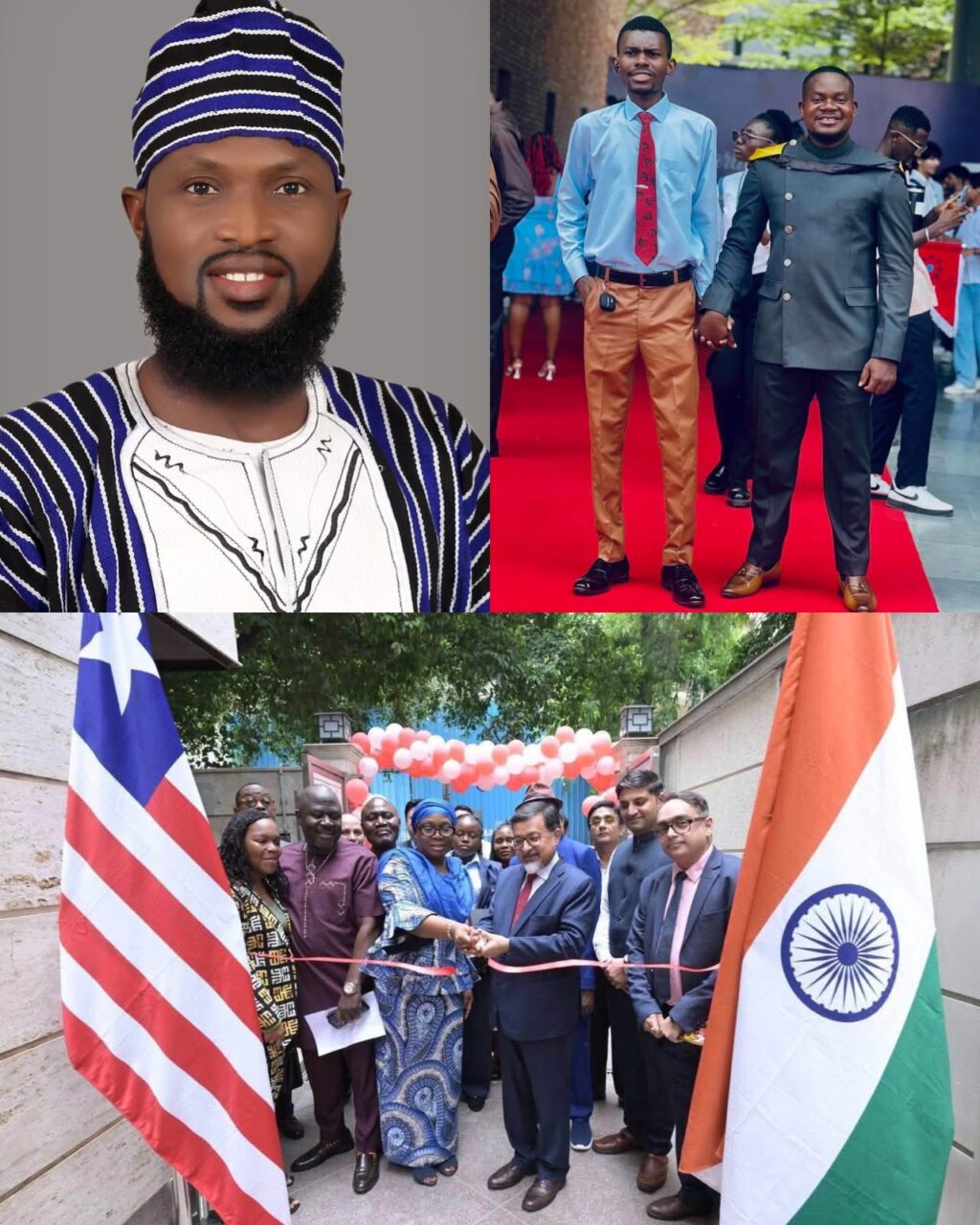
The students’ reaction comes as Liberia formally restores its diplomatic presence in India after more than 35 years without a resident mission.
Liberia’s Foreign Minister, Sara Beysolow Nyanti, last week formally inaugurated the embassy on behalf of President Joseph Nyuma Boakai, Sr., the Liberian government and people.
The Liberian Embassy in India was closed around 1990–1991 during the period of Liberia’s civil war, a conflict that contributed to severe political instability and economic decline.
Although successive Liberian administrations sought to restore a resident diplomatic mission in India following the return of peace, those efforts did not produce the reopening of the embassy until now.
India has remained an important destination for Liberians seeking higher education, making the absence of a resident Liberian diplomatic mission a longstanding concern among students.
For former ALSI President James TG Flomo, the reopening is not simply a diplomatic development but the outcome of a long student-led campaign.
Flomo, who described himself as the first democratically elected President of ALSI, recalled that the organization’s advocacy included formal communications with the Liberian government, meetings with senior officials and trips to Liberia to present the concerns of Liberian students.
He appreciated past and current officials of government including: Senator James Biney, Sen. Prince Kermue Moye, Vice President Jeremiah Kpan-Koung and President Protempore Nyonblee Karnga-Lawrence for their interventions during the time of advocacy.
additionally, Flomo acknowledged the pioneers of ALSI, including Muhammad Dukuly, Cllr. Princeton Bormain and Prince Duo Jr., whose early vision, he said, helped create an organization capable of advocating for Liberian students.
For Flomo, the reopening of the embassy is therefore a victory for generations of students who pushed for greater government attention to their welfare.
He said the ultimate hope is that future Liberian students in India will study with greater confidence, knowing that their government has a resident diplomatic presence capable of representing their interests.
As Liberia begins a new chapter in its relations with India, former ALSI leaders say the reopening should also serve as a reminder of the persistence of Liberian students who refused to abandon their demand for representation.
Kumahn said the achievement belongs to both past and present ALSI leaders who contributed to the advocacy over the years.
Flomo, meanwhile, said the issue is bigger than individual credit.
“This is not about who receives credit,” he said, emphasizing that the achievement belongs to the pioneers, student leaders and generations of Liberian students who stood together.
About The Author