Resource Constraint Considers Major Barrier to Girls Education, At Third Public Discourse on Girls’ Education Policy
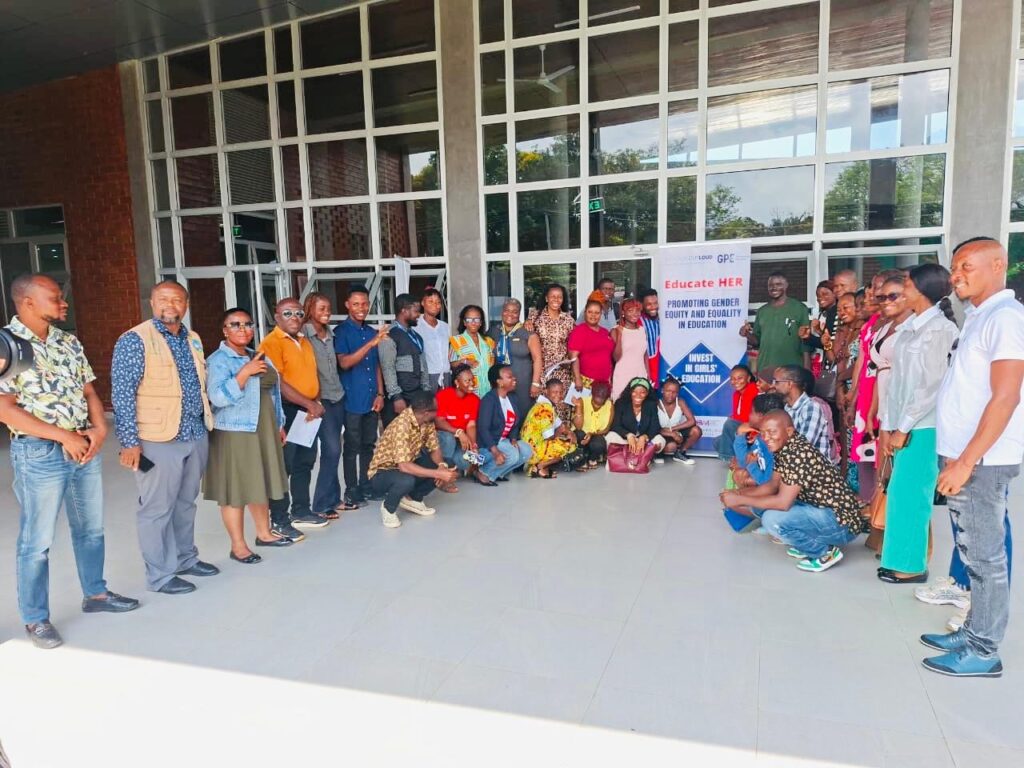
Monrovia, Liberia – August 5, 2026: The Educate HER Consortium, through the Paramount Young Women Initiative (PAYOWI), successfully hosted the Third Edition of the Public Discourse Dialogue on the National Policy on Girls’ Education (NPGE) under the theme: “Investing in Girls’ Education: Strengthening Partnerships for Increased Budget Allocation and Accountability.”
Key hindrance to girl’s education spotlighted during the conversation was financial constraints. Participants believe many parents cannot avoid necessary livelihood for their kids, as such, girls tend to stay out of school. Other factors range from traditional norms to teenage pregnancy, lack of functional restrooms and sanitary support materials for girls during school hours. The discussion looked at embarrassment young girls face during menstruation when there are no, or limited support to keep them comfortable in school environment.
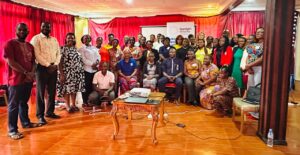
The dialogue brought together representatives from government institutions, members of the House Committees on Education, civil society organizations, PTA, school administrators, female students, community leaders, and the media to review progress made in advancing girls’ education in Liberia and discuss the findings of the 2025 National Policy on Girls’ Education Progress Report.
A major highlight of the event was a high-level panel discussion featuring representatives from government institutions, civil society organizations, representatives from the House Committees on Education, and students. The panel reflected on the achievements and challenges in implementing the National Policy on Girls’ Education and emphasized the importance of stronger partnerships, increased budgetary investment, and greater accountability to ensure every Liberian girl has access to quality education. Participants also engaged in meaningful discussions on persistent barriers affecting girls’ education, including school-related gender-based violence (SRGBV), inadequate WASH and menstrual hygiene facilities, early marriage, teenage pregnancy, poverty, and the limited participation of girls in decision-making processes.
One of the Panelist, Mr. Thomas T. Brown, Executive Director for Disabled Children and Female Empowerment Network said resources is the first barrier to girls’ education. He thinks when funds are adequately allocated to girl’s education initiatives, more females attend and stay in school till completion. “First barrier for girls’ education I think is resource, government is an external factor”.
Representing young girls and students on the panel, Fatu Kortee, a student from the Soul Clinic Public School mentioned bullying, lack of menstrual hygiene facilities, teenage pregnancy due to financial constraints, and school-related gender-based violence. “Sometimes girls don’t want to date a guy but when she’s hungry and see that this man is always giving her money, she will just decide to date him for the help she’s receiving. And because she’s not mature to take care of herself, it might lead to teenage pregnancy,” Fatu said.
Adding, “most times when girls are in schools and start to see their period un-expectedly, the boys start to laugh at them. It can stop them from returning to school. Also, the washrooms are not comfortable for use and menstruation comes with a level of emotions that would make them to rather stay at home until their period has ended”
Like Thomas and Fatu, Mr. Franklin B. Massaquoi, Secretariat on the Education Committee at the House of Representatives agreed that finance is a major challenge to maintaining girls in school, while stressing that monitoring should be of key consideration. According to him, allocations are made to certain schools, and they are not implemented accurately.
He mentioned that the Legislature is putting in place some measures to track funds given to entities for activities in public schools across the country.
On the Panel, the Ministry of Gender and Education outlined initiatives currently undertaken by government to keep girls in school.
Moreover, the dialogue was intended to provide stakeholders with the opportunity to identify and recommend priority actions for the revision of the National Policy on Girls’ Education pending its expiration in 2026. Through interactive discussions, participants proposed evidence-based recommendations aimed at strengthening the policy, addressing existing gaps, and ensuring it remains responsive to the evolving needs of girls across Liberia.
The dialogue further explored practical strategies to increase public financing for girls’ education, strengthen accountability for policy implementation, and generate evidence-based recommendations to inform the ongoing revision of the National Policy on Girls’ Education.
Speaking during the event, stakeholders reaffirmed their commitment to working collaboratively to create a safe, inclusive, and enabling learning environment where every girl can enroll, remain in school, and complete her education.
The Educate HER Consortium continues to advocate for increased investment in girls’ education, recognizing that educating girls is essential to achieving gender equality, national development, and sustainable economic growth in Liberia.
About The Author