SisterAid Liberia Hosts National Multi-Stakeholders Dialogue on Women’s Access to Opportunities
June 22, 2026
By Lazota Bility
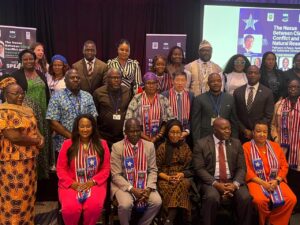
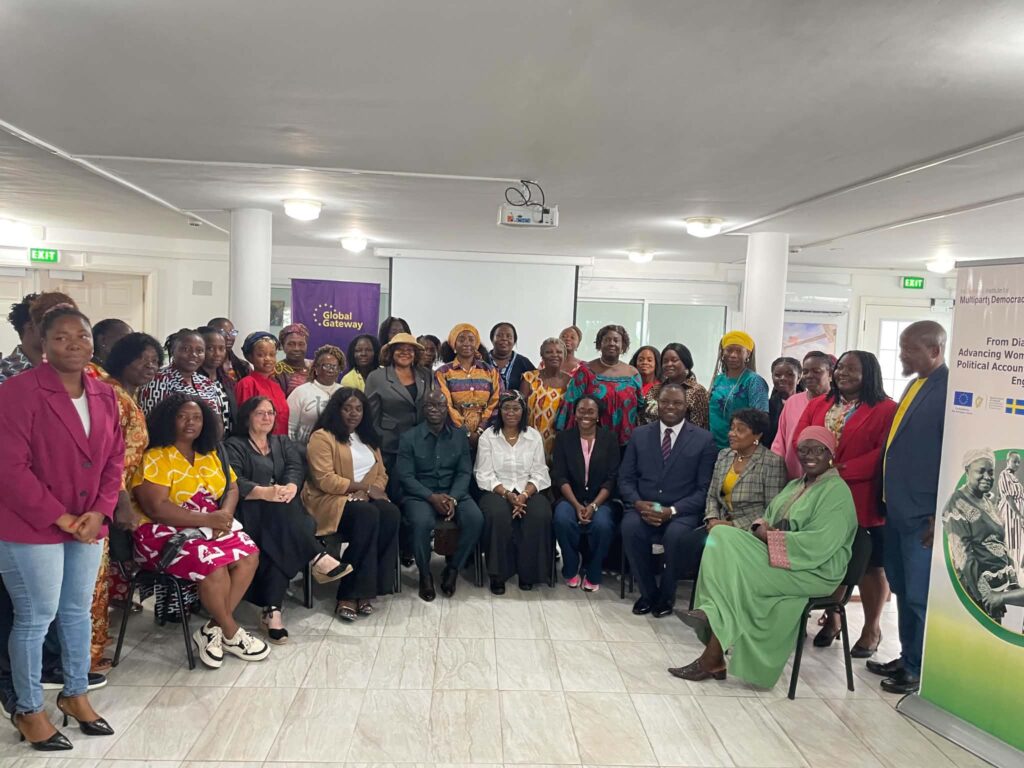
Monrovia: SisterAid Liberia (SALI), in collaboration with the Netherlands Institute for Multiparty Democracy (NIMD), has convened a National Multi-Stakeholders Dialogue aimed at improving women’s access to healthcare, agriculture, finance, and trade opportunities across Liberia.
The dialogue was held at the European Union Delegation in Monrovia on Friday, June 19, 2026, under the theme “From Dialogue to Action: Advancing Women’s Priorities Through Political Accountability and Legislative Engagement.”
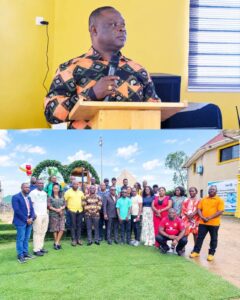
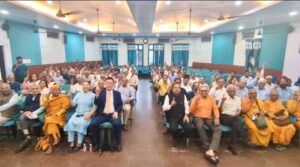
The event brought together policymakers, lawmakers, development partners, civil society actors, and women leaders to discuss barriers affecting women’s economic and social development.
Findings from a nationwide assessment conducted by NIMD revealed that many women across Liberia continue to face challenges in accessing healthcare, agricultural support, financing, and trade opportunities, with direct impacts on their livelihoods and families.
Speaking at the event, SisterAid Liberia Executive Director Madam Miatta Garmai Darwolo said the dialogue was intended to amplify women’s voices and ensure their lived experiences inform national policy and decision-making processes.
She noted that women continue to play a critical role in Liberia’s development but remain constrained by limited access to essential services and economic opportunities.
Madam Darwolo commended government efforts aimed at improving the welfare of women and vulnerable populations, including investments in healthcare infrastructure, rural road development, and support to health workers.
However, she emphasized that more coordinated interventions are needed to address persistent gaps, particularly in rural communities.She called for stronger collaboration among government institutions, development partners, civil society organizations, and the private sector to ensure women are fully empowered to contribute to national development.
Madam Darwolo stressed that the shift “from dialogue to action” is necessary to translate discussions into tangible improvements in women’s lives.Maternal healthcare challenges were highlighted by Madam Naomi Tulay Solanke, Executive Director of Community Healthcare Initiative, who expressed concern over continued barriers to affordable and quality healthcare, particularly in rural areas.
She warned that maternal mortality remains a pressing issue and called for increased investment in healthcare systems and infrastructure.
On cross-border trade, Madam Saybah Dunyan, President of the Women Cross-Border Traders Association, described the difficulties women face in sustaining their businesses, including limited access to credit and challenges navigating trade and financial systems.
In agriculture, Madam Nyamah Dunyan, Executive Director of SANKOFA Farm, highlighted the struggles of women farmers, noting limited access to credit, farming inputs, storage facilities, and poor road infrastructure as major constraints affecting productivity and market access.
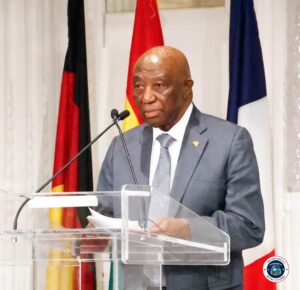
Liberia’s Minister of Agriculture, Dr. J. Alexander Nuetah, outlined ongoing government interventions aimed at strengthening the agricultural sector and supporting farmers, particularly women, through empowerment programs and cooperative development initiatives.
He reaffirmed the government’s commitment to boosting local food production and improving livelihoods in farming communities.Participants called for stronger coordination among government institutions, development partners, and civil society actors to ensure that dialogue leads to concrete action.
The dialogue concluded with recommendations for the development of a Multi-Stakeholder Action Agenda to guide future advocacy, policy engagement, and legislative reforms focused on women’s priorities.
The initiative falls under the Liberia Electoral Support Project (LESP), funded by the European Union and the Embassies of Ireland and Sweden, and implemented by NIMD Liberia and UN Women Liberia under the management of UNDP.
About The Author