How A Chinese Village Is Using Innovation To Replace Plastic With Bamboo
By Lazota Bility
As the world searches for ways to reduce plastic pollution, Anji County in China is showing how bamboo can be transformed from a traditional natural resource into everyday products, while creating opportunities for innovation, economic development, and environmental protection.
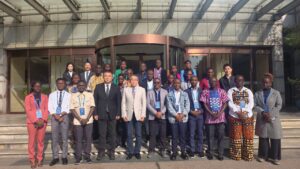
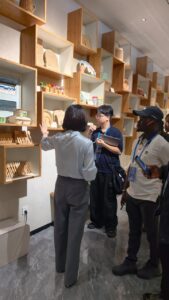
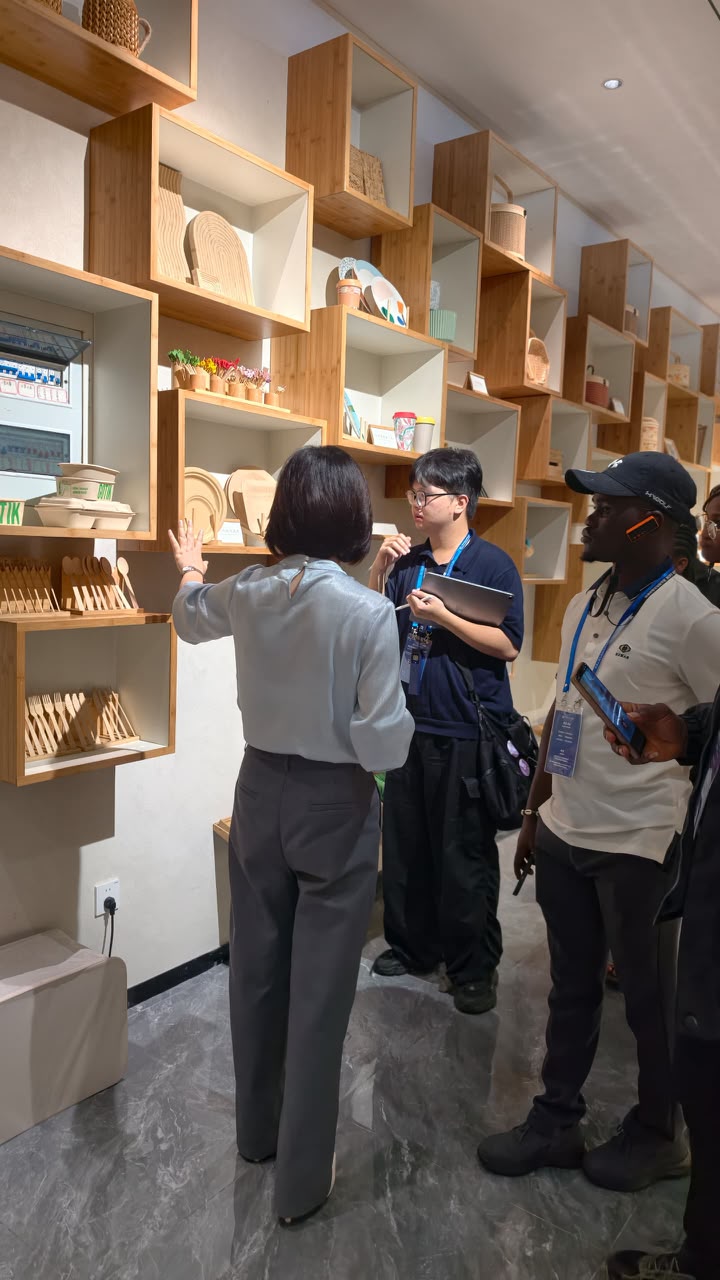
At the Anji Exhibition Center for Bamboo as a Substitute for Plastics, 23 Liberian journalists saw how bamboo is being used to produce a wide range of products, from household furniture to personal care items.
Their visit formed part of a two weeks media seminar organized by the Research and Training Institute of China’s National Radio and Television Administration (RTI-NRTA), which includes professional exchanges and field visits examining China’s media industry, economic development, and rural transformation.
During the visit, the journalists saw bamboo products ranging from beds and living room furniture to bags, pillows, toothbrushes, and dining items. The displays showed how bamboo, traditionally used for construction and crafts, can also be transformed into products for modern homes and personal use.
Providing information the host highlighted the scale of the global plastic waste problem, stating that more than 9.2 billion tonnes of plastic products had been produced worldwide, with approximately 7 billion tonnes becoming waste.
The host also explained that bamboo is an important resource in efforts to address the problem because it grows quickly and can be processed into a variety of products.
China is promoting bamboo as an alternative to certain plastic products through technological innovation, modern manufacturing, and efforts to expand the market for bamboo-based goods.
In Anji, the bamboo industry is contributing to efforts to reduce plastic waste.
According to China Daily, in a report published on June 16, 2026, the county’s bamboo industry reduces plastic waste by more than 3,000 metric tons annually. The report also noted that Anji showcased more than 100 bamboo products as alternatives to plastic at the World Trade Organization’s 2026 Trade and Environment Week in Geneva, Switzerland.
However, expanding the use of bamboo also comes with challenges, including production costs, product durability, and consumer acceptance. Its environmental benefits depend on how products are manufactured, transported, used, and disposed of.
For Liberia, the experience raises an important question: what opportunities could emerge if more of the country’s natural resources were developed into useful products through investment, technology, and local enterprise?
Although Liberia’s circumstances differ from China’s, Anji offers an opportunity to consider how natural resources can be developed responsibly to support businesses, livelihoods, and environmental protection.
Anji’s experience demonstrates how innovation can expand the uses of a natural resource while offering alternatives to certain plastic products. For Liberia, it offers a starting point for considering how local resources could be developed into products that serve communities, support businesses, and contribute to environmental protection.
About The Author