NRWP, Partners Strengthen Rural Women’s Voices in Land, Climate Governance
May 26, 2026
Pleebo, Maryland: The Natural Resource Women Platform, in collaboration with Alliance for Rural Democracy and Green Advocates International, has intensified efforts to strengthen rural women’s participation in land and climate governance amid growing concerns over concession activities, land insecurity, and the increasing impacts of climate change in southeastern Liberia.
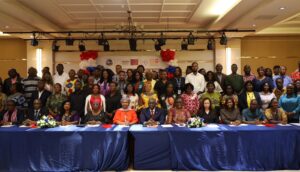
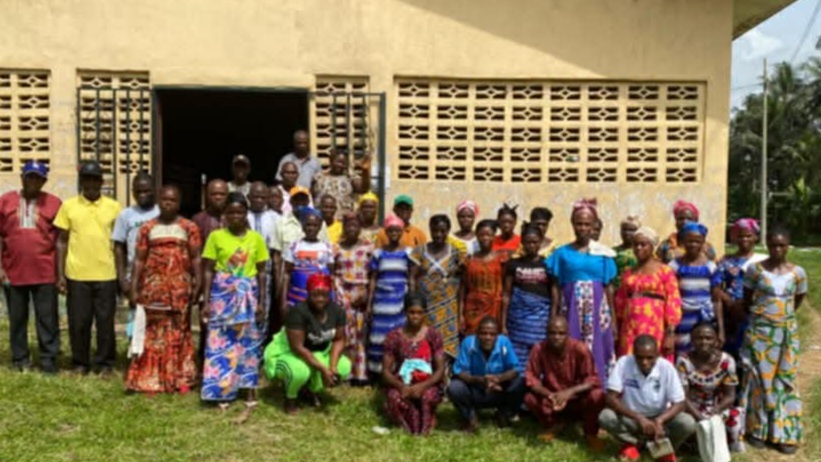
More than 40 rural women from six communities in Pleebo Sodoken District participated in a one-day awareness and capacity-building training held in Salaken Town, Maryland County.
The training brought together women from Salaken Town, Old Pleebo, the Bolobo communities, Old and New Sodoken, Gbaolu, and Glowien.
The initiative forms part of ongoing advocacy efforts by the Natural Resource Women Platform, Alliance for Rural Democracy, and Green Advocates International to strengthen women’s participation in decision-making processes affecting land ownership, environmental protection, and concession activities in rural Liberia.
According to the NRWP and its partners, initiative seeks to empower rural women with knowledge of their land rights, environmental protections, and participation in natural resource governance under Liberia’s land reform framework, particularly the Liberia Land Rights Act of 2018.
Speaking during the opening session, Radiatu Kahnpalye, Policy Advisor at the Natural Resource Women Platform, said the engagement aims to gather firsthand experiences from women directly affected by environmental degradation and concession operations to inform national-level decision-making.
“Our goal is to collect firsthand information on how concession companies are affecting communities and how climate change is impacting the daily lives of rural women,” Kahnpalye said.
Kahnpalye noted that civil society organizations continue to play a critical role in documenting grassroots concerns and channeling them to national decision-makers.
“We support government efforts by taking raw information from the people and sharing it with decision-makers so that timely interventions can be made,” she added.
She further encouraged communities to take greater ownership of Liberia’s natural resources and promote sustainable local development.
“We must make use of what we have in our forests and stop waiting only on investors and concession companies to drive development,” she said.
Also speaking at the event, Veronica Gray, Head of Secretariat at the Natural Resource Women Platform, underscored the importance of documenting rural women’s experiences to ensure their voices influence national policy discussions on land and natural resource governance.
“The secretariat ensures that these engagements are properly organized and that women’s concerns are accurately documented and represented in national discussions on natural resources,” Gray said.
Representing Green Advocates International, Salia Sharrif underscored the need for increased awareness and active participation of women in environmental and land governance issues.
“When women understand their land rights and environmental laws, they are better positioned to protect their communities and hold companies accountable,” Sharrif said.
Participants described the training as timely and empowering, noting that it has increased their confidence to advocate for their communities.
“This training has opened our minds about land rights and women’s advocacy,” one participant, Ma Lue, told reporters. “We now feel more confident to speak up for our communities.
”‘’The training has helped us understand that women have the right to participate in land discussions and community decision-making processes.At the end of the training, NRWP and partners disclosed that information gathered during the engagement will be compiled and shared with national stakeholders as part of broader advocacy efforts to strengthen women’s participation in natural resource governance and climate-related discussions across Liberia.
The findings from Maryland County are expected to contribute to ongoing advocacy with government institutions, lawmakers, local authorities, and concession actors on women’s land rights, environmental protection, and climate justice.
The organizations called on government institutions, local authorities, and concession companies to ensure that rural women are meaningfully consulted in land-related decisions, climate
response planning, and natural resource governance processes.
About The Author