Reviving Bong Mines Legacy, Stakeholders Rally Behind Technical Institute Bill to Expand Skills Training
By Lazota Bility
Monrovia, July 9,2026: As Liberia continues efforts to expand technical and vocational education opportunities for young people, stakeholders are rallying behind a proposed bill seeking to establish the Bong Mines Vocational and Technical Institute, describing it as a critical step toward developing skilled manpower and creating alternative pathways for youth.
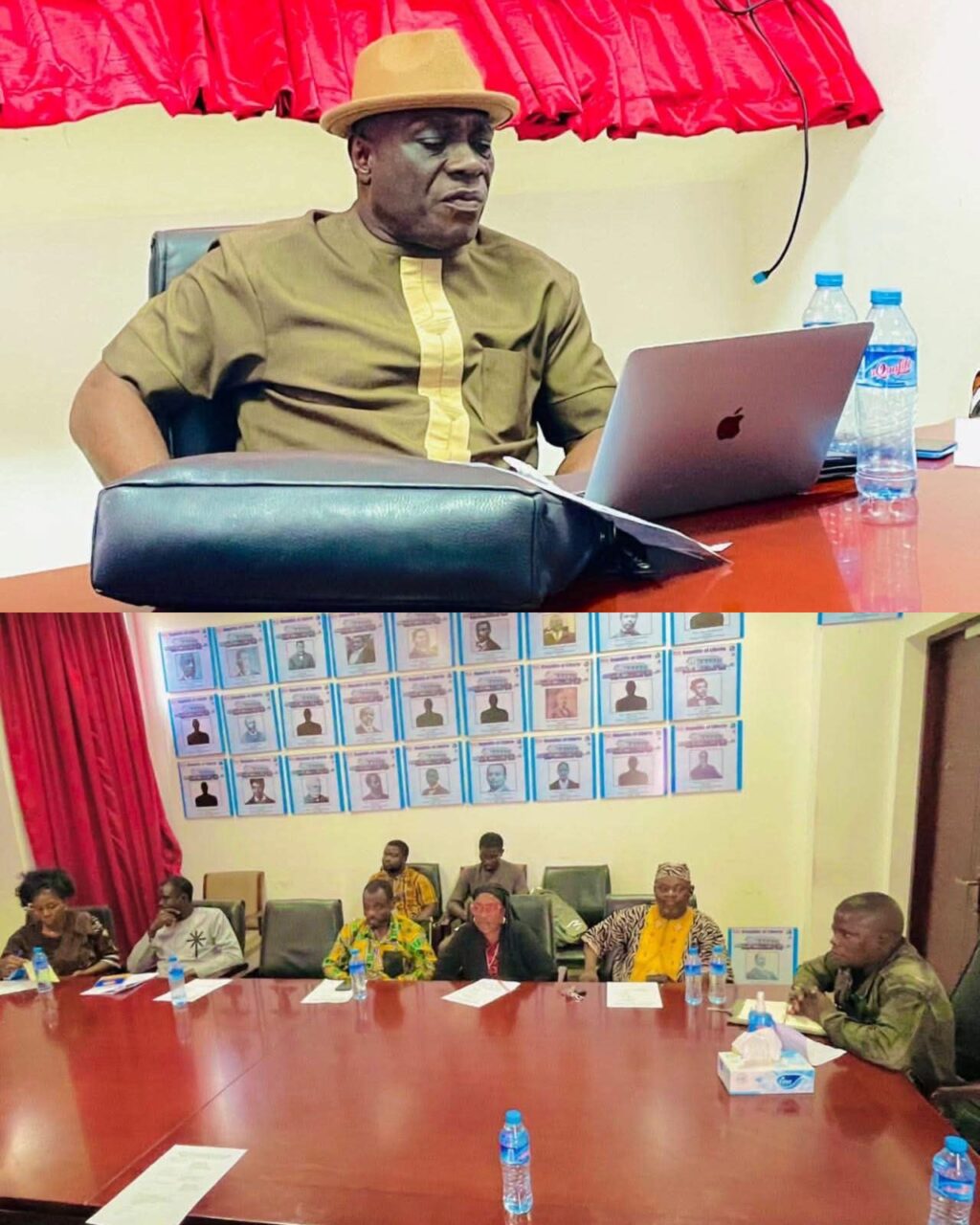
The House Committee on Education and Public Administration on Wednesday, July 8, 2026, concluded a day-long stakeholders’ engagement at the Capitol Building in Monrovia to review the proposed legislation aimed at reviving technical and vocational training in the Bong Mines community.
The proposed Bong Mines Vocational and Technical Institute Bill is rooted in the history of skills development in the area, where the former Bong Mines Vocational Training Center once played a significant role in preparing young Liberians with practical skills for employment and national development.
Before the civil war disrupted its operations, the institution trained hundreds of Liberians, producing skilled manpower that contributed to the mining sector and other areas of the economy.
According to the bill’s sponsor, Bong County Electoral District #7 Representative Foday E. Fahnbulleh, the proposed institute seeks to restore that legacy by creating a modern technical and vocational institution capable of equipping young Liberians with practical, marketable, and industry-relevant skills.
Rep. Fahnbulleh said reviving the institution would also strengthen collaboration between government, skilled Liberian professionals, and the China Union concession while reducing Liberia’s dependence on foreign technicians.
The stakeholders’ engagement brought together representatives of government institutions, education authorities, development partners, civil society organizations, and other actors to examine the bill’s legal framework, governance structure, financial implications, academic relevance, and long-term sustainability.
Speaking during the engagement, Committee Chairman and Nimba County Electoral District #2 Representative Nyahn G. Flomo assured participants that the committee would carefully consider all recommendations and concerns raised before submitting its report to the full Plenary.
Rep. Flomo described the contributions as constructive and encouraged stakeholders to continue providing additional information that would assist the committee in completing its review.
Meanwhile, Fiamah District Education Officer Josiah B. Kollie endorsed the proposed legislation, highlighting the limited opportunities available for many young people after completing secondary education.
Mr. Kollie noted that only a small number of more than 200 high school graduates produced annually in the district proceed to university, leaving many without access to further education or employable skills.
He said establishing the institute would provide a meaningful opportunity for young people to gain vocational skills and improve their economic prospects.
For his part, Deputy Executive Director for International Programs, TVET and Scholarships at the National Commission on Higher Education, Moses M. Kesselly, emphasized the need for the bill to clearly define the institute’s academic scope, admission requirements, certification levels, and regulatory framework.
Mr. Kesselly said greater clarity in the legislation would help prevent future conflicts among education regulatory bodies and ensure graduates receive nationally recognized qualifications.
Despite technical concerns, stakeholders agreed that the proposed institute could fill a major gap in Liberia’s technical and vocational education sector, benefiting not only Bong County but also neighboring Gbarpolu, Lofa, and parts of Montserrado County.
Institutions represented at the engagement included the Monrovia Consolidated School System, Child Education Aid, the Center for Dignity and Inclusion, Restoring Our Children’s Hope, UNESCO, and other education sector stakeholders.
About The Author