UNFPA Urges Liberia to Increase Domestic Financing as Donor Support Declines
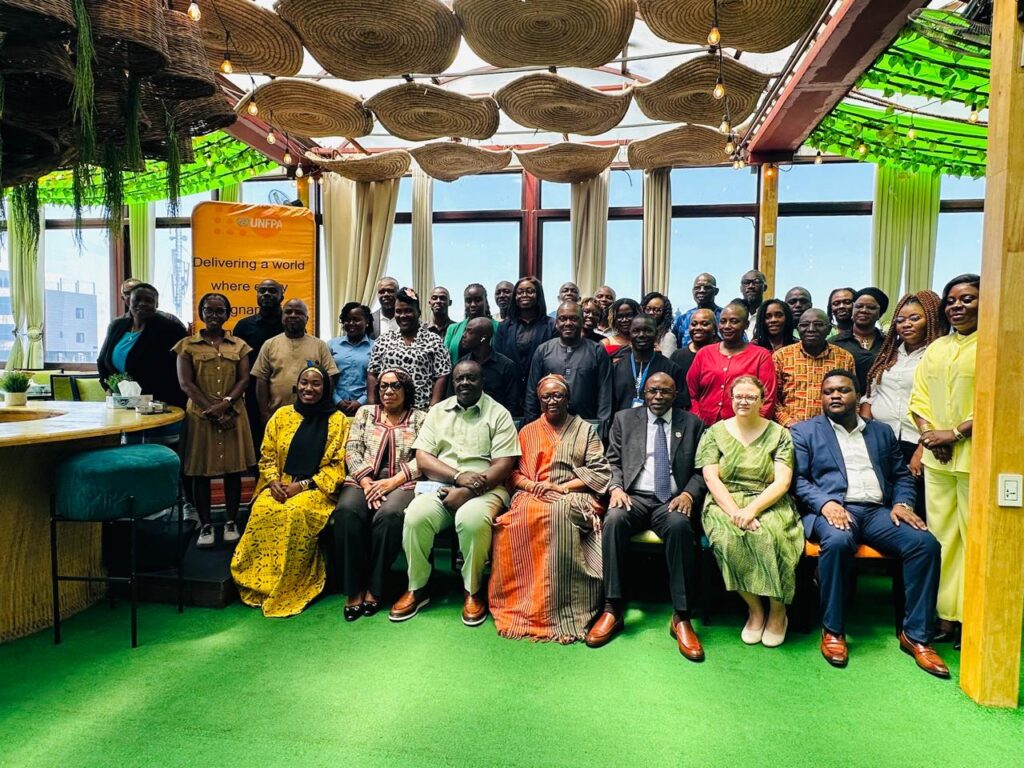
MONROVIA, Sept. 4, 2026 — UNFPA Deputy Representative Leonard Kamugisha has called for increased domestic financing for population and development priorities as Liberia faces a shifting donor landscape and reduced external funding.
Kamugisha made the call Thursday at the opening of a two-day mid-year programme review meeting in Monrovia, urging stakeholders to improve efficiency and effectiveness while exploring greater domestic financing through the national budget and county allocations.
The review, being held at the Boulevard Palace Hotel, marks the first mid-year review of UNFPA’s Sixth Country Programme and comes after about six to eight months of programme implementation. It is intended to assess progress and identify strategies to accelerate results for women, girls and young people in the remaining months of the year.
Kamugisha said the organization is implementing its programme at a time of reduced donor funding, creating new demands for partners to “double down on efficiency and effectiveness.” He said the changing funding environment also presents an opportunity for Liberia to strengthen domestic financing for the International Conference on Population and Development (ICPD) Programme of Action, particularly through the national budget and county allocations as the government prepares its 2027 budget and implements fiscal decentralization.
He said UNFPA’s work remains focused on four interconnected priorities under its 2026–2029 strategic plan: reducing unmet need for family planning, ending preventable maternal deaths, eliminating gender-based violence and harmful practices, and responding to demographic change through evidence-based and rights-based policies.
According to Kamugisha, despite a complex operating environment, the partnership has recorded progress in strengthening health facilities and expanding access to emergency obstetric and newborn care in Montserrado and hard-to-reach rural communities.
He also pointed to efforts to strengthen reproductive health commodity security within national supply chains, which he said has helped reduce stockouts of essential contraceptives and lifesaving maternal health medicines. UNFPA and its partners have further supported community-led protection mechanisms, One-Stop Centers for survivors of gender-based violence, and advocacy against gender-based violence and female genital mutilation.
Kamugisha said the programme has also expanded comprehensive sexuality education and youth-friendly health services, including improved menstrual hygiene management for adolescent girls, while providing young people with information to make informed decisions about their health and futures.
He noted that UNFPA has supported development of Liberia’s national migration policy and continued working with government and communities to address drug and substance use among young people, including rehabilitation, skills development and efforts to engage vulnerable youth as promoters of peace.
Kamugisha credited donor and implementing partners for sustaining the programme but stressed that the funding environment requires stronger accountability alongside greater efficiency.
He said institutional integrity, ethical conduct and protection of beneficiaries remain non-negotiable principles of UNFPA operations. The agency, he added, maintains zero tolerance for sexual exploitation, abuse and harassment and requires implementing partners to have prevention policies, staff training and safe reporting mechanisms.
He also warned against fraud, corruption, bribery and financial negligence, saying UNFPA would continue stringent auditing, spot checks and programme and financial monitoring across its interventions.
Speaking in connection with Kamugisha’s remarks, Senator Dabbah Varpilah, Chair of the Senate Health Committee and the Legislative Committee on Population and Development, expressed gratitude to UNFPA for its contribution to Liberia’s national development.
Varpilah said UNFPA’s support for reliable population data has helped Liberia identify vulnerabilities and strengthen inclusive planning. She also highlighted the agency’s support to health-system strengthening, family planning commodities and services, and the prevention and response to gender-based violence through the Spotlight Initiative.
However, she cautioned that the country must confront persistent inequalities, particularly those affecting young girls in rural communities and urban settlements who continue to face unplanned pregnancies, early marriage and harmful traditional practices.
“Deep-rooted inequalities remain”, Varpilah said stressing that maternal mortality, although declining, remains a burden that Liberia must collectively address until no woman dies giving birth.
The senator said such challenges should not be treated merely as statistics in monitoring reports, arguing that they represent lost opportunities, stalled community development and an urgent call for action.
As a representative of the people of Grand Cape Mount County and on behalf of the 55th Legislature, Varpilah emphasized that lawmakers recognize that laws alone cannot produce sustainable results without adequate domestic resource mobilization.
She pledged that the Legislature would work to ensure population and development policies are integrated into national budgeting processes, champion laws and budgetary allocations protecting women, girls and marginalized populations, and work with UNFPA and civil society organizations to ensure resources reach communities at the “last mile.”
Varpilah urged participants to treat the mid-year review not as an administrative exercise but as an opportunity to renew Liberia’s commitment to translating policy discussions into sustained action.
The two-day review brought together members of the diplomatic corps, representatives of the civil society community, donors and funding partners, government officials and UNFPA staff, among other stakeholders.
About The Author